Who Is The DOT?
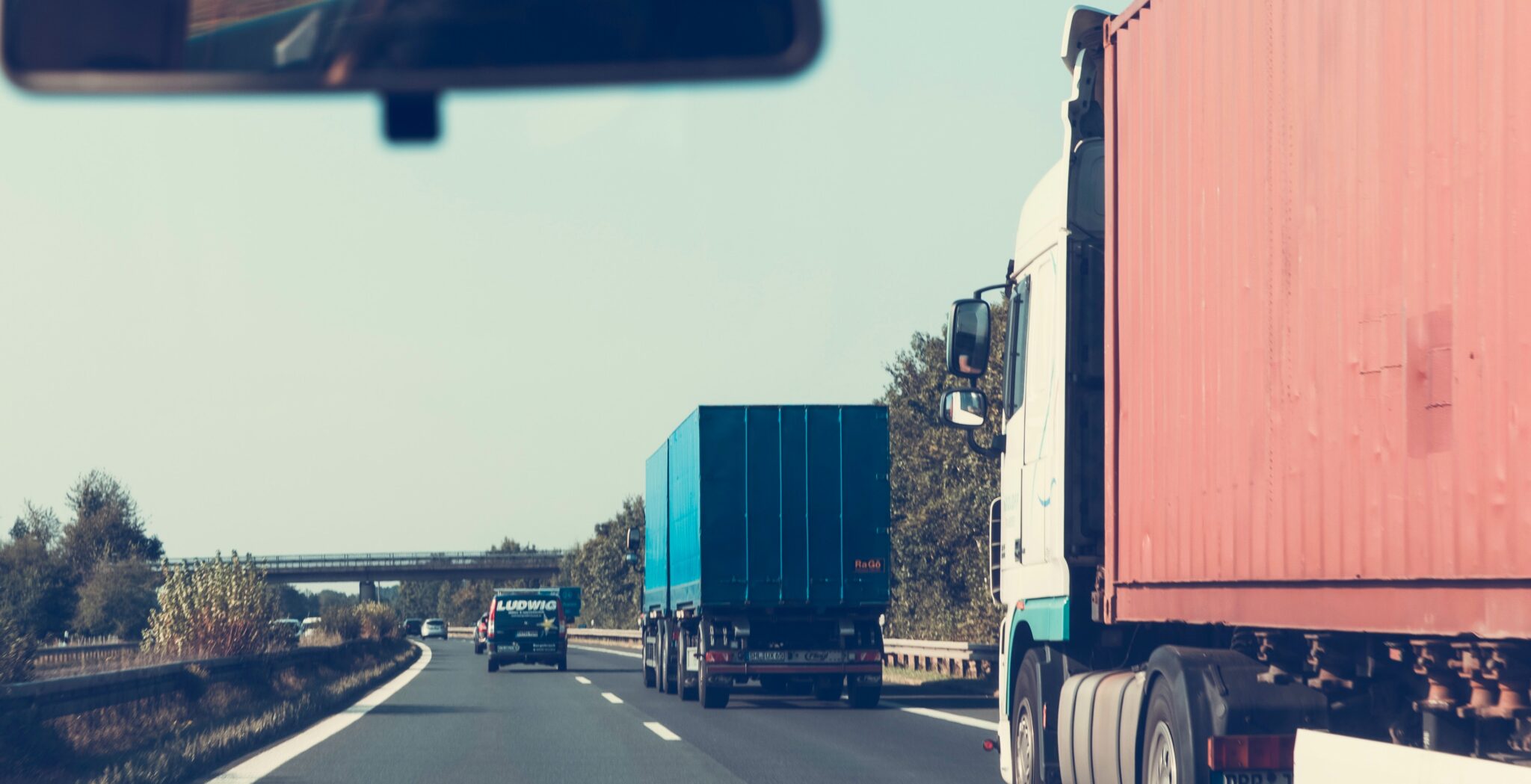
Trains, Planes, and Automobiles! While mentioning the DOT (Department of Transportation) one could be forgiven for assuming the discussion is about semi-trailers, but this wasn’t always the case. Established in 1966 by President Lyndon Johnson, its conception was to give the United States of America a central department organizing different modes of transportation. It also sets safety regulations for all major modes of transportation.” A few of the eleven different entities under the Department of Transportation are:
- The Federal Motor Carrier Safety Administration (FMCSA)
- The Federal Aviation Administration (FAA)
- The Federal Railroad Administration (FRA)
- The National Highway Traffic Safety Administration (NHTSA)
- The Federal Transit Administration (FTA)
- The Pipeline and Hazardous Materials Safety Administration (PHMSA)
Federal Motor Carrier Safety Administration
The FMCSA is perhaps the group that is most often referred to as “The DOT” when discussing trucking and regulations on travel. The FMCSA is responsible for regulating commercial motor vehicles, CDL holders, and other personnel involved in the motor carrier industry (Dispatchers, Mechanics, Trainers, Drug Testing Personnel, Supervisors, and Drivers) as well as communicating with the State Driver’s Licensing Agencies to ensure federal regulation is in place where commercial licenses are being issued. Anyone involved in a FMCSA regulated industry has likely seen officers over the road, port of entries, or been subject to a roadside inspection.
The Federal Highway Administration
The FHWA handles the construction and maintenance of our roads in America while a large portion of their organization also looks to ways to increase the safety of the roads, work zones, tunnels, and bridges. The Federal Highway Administration doesn’t have any law enforcement officers.
The Federal Railroad Administration
The railroad system of America is crucial to the movement of goods and materials across the continental USA – and the FRA is the DOT department governing all-things “Trains”. Due to the broad scope of the functions of trains in our nation the FRA has developed into a robust branch of the DOT that has to account for freight, passengers, and even some commuter rail networks (though the FTA (See below) typically covers public transit commuter systems that are not tied to the general railroad systems). The FRA deals largely in “intermodal” operations and is responsible for regulation creation and enforcement to ensure safe operations that keep the USA on the right track.
The National Highway Traffic Safety Administration
Perhaps the branch of the DOT most geared to consumers, everything from car manufacturing to seatbelts to car seats for babies falls under the watchful eye of the NHTSA. The NHTSA establishes safety standards on consumer products with the expressed goal – decreasing fatalities and injuries on the road. NHTSA is the branch of DOT that raises awareness to the public on issues such as drunk driving, wearing a seatbelt, and stopping at railroad crossings.
The Federal Transit Administration
Public transportation is the name of the game when it comes to the FTA. Largely active in urban developments the Federal Transit Authority oversees public transportation such as ferry systems, public buses, and some railroads, everything from their installation to their operation the FTA has a hand in.
The Pipeline and Hazardous Materials Safety Administration
The Pipeline and Hazardous Materials Safety Administration (PHMSA) is the DOT agency that develops and enforces safety regulations for the transportation of hazardous materials by pipeline, land, sea, and air. As it is intermodal, it typically works in conjunction with the other branches of DOT to be responsible for standards for pipeline design, construction, and operation. PHMSA also practically deals with EPA and OSHA to some degree as the areas of responsibility for Hazmat management can spill onto public lands and other agencies jurisdiction. Overall, PHMSA’s mission is to protect people and the environment from the risks associated with hazardous materials transportation, they do a great deal not just setting regulations but also by providing grants and training for emergency responders and communities.
