Fatigued Driving
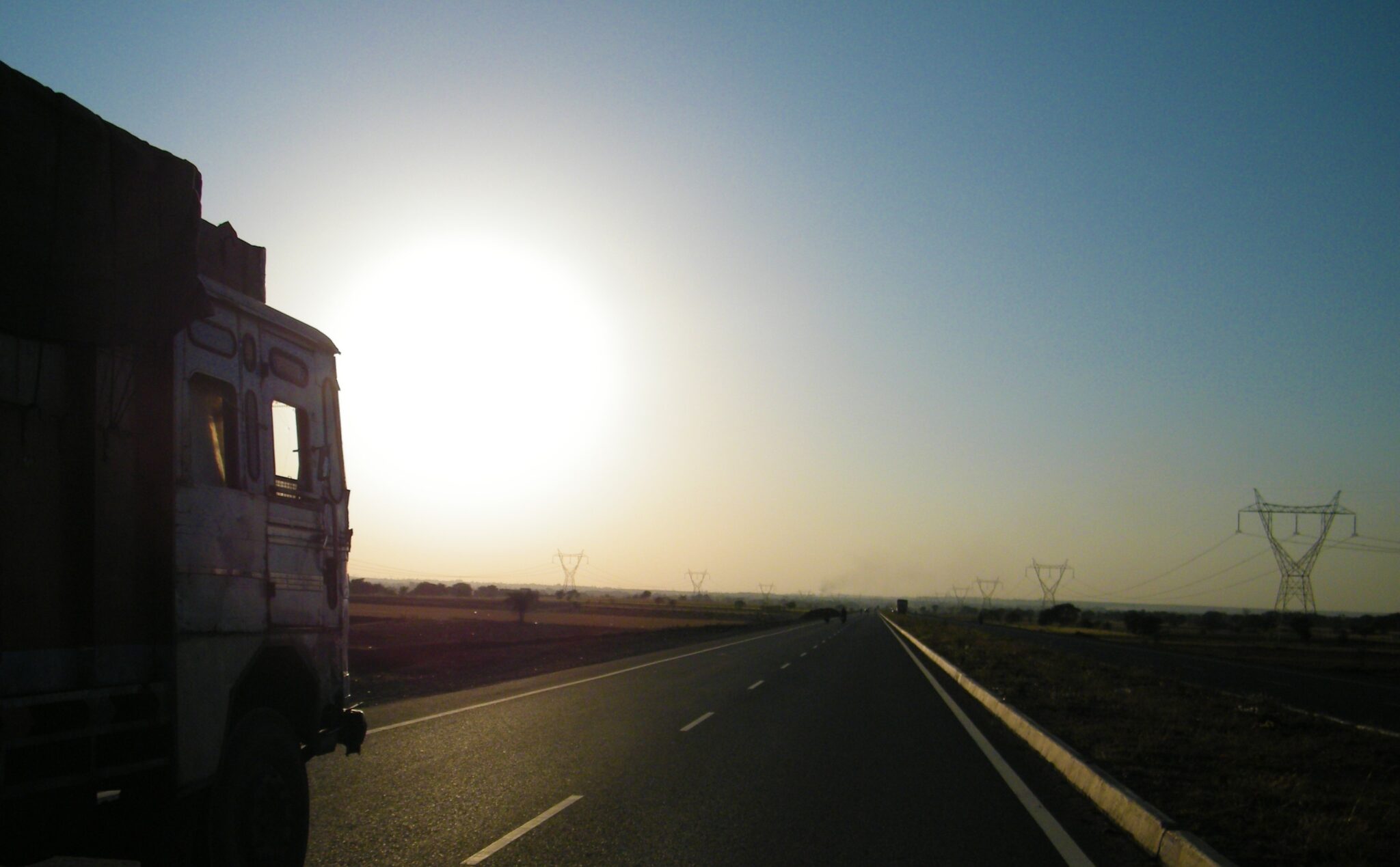
We’ve all done it – driving through a town, past a landmark or traffic signal, and then later asking yourself, “did I already drive past that”?
Do you find yourself getting a little drowsy in the early afternoon? Are you one of the drivers that prefers to drive the graveyard shift?
Are you prepared for the other drivers on the road at that time?
Several years ago, I worked for a company that had restricted driving hours from 1 am to 5 am, because of the dangers from other drivers on the road during those times. One of the crew leaders made the decision to break the rule and drove his crew from a remote location back to the office at 2 am. The crew leader had attended an excellent driver training course. He had no violations or crashes on his driving record. But at 2 am there was another driver traveling in the opposite direction. That driver was returning from a trip to Paris, France, and had been awake for almost 40 hours. He fell asleep at the wheel, crossed the line and hit our driver head-on. Thankfully the safety systems worked in both vehicles and there were no major injuries.
The lesson hit home. You are trained, you are aware, you know how to take preventative measures when driving, but most of the driving public does not. That is who you have to watch for!
The dangers of fatigued driving cannot be overstated. In our fast-paced, get ‘er done world, it is not uncommon for a driver to be awake for 16- 18 hours, then get behind the wheel.
The National Highway Traffic Safety Administration (NHTSA) has done several studies in which they show that drowsy driving was reportedly involved in 1.8% of fatal crashes from 2017 to 2021. These figures are fairly consistent year-on-year, and until recently, attention and research on drowsiness has primarily concentrated on commercial truck drivers, but the problem is far more widespread. In 2014 more than one-third of 444,306 respondents 18 and older in the United States reported sleeping less than 7 hours a day—the minimum sleep duration recommended for optimal well-being.
Alcohol impairment is fairly easy to measure using blood alcohol measurements, but sleep deprivation is tougher to define, especially after the fact. As most people are reluctant to admit they were driving while sleepy, experts believe that drowsy driving accidents are often mistakenly attributed to other factors.
Studies have shown that going too long without sleep can impair your ability to drive the same way as drinking too much alcohol. Being awake for at least 18 hours is the same as someone having a blood content (BAC) of 0.05%. Being awake for at least 24 hours is equal to having a blood alcohol content of 0.10%.
To put it another way, being awake for 18 hours is the equivalent of a 200 lb. man drinking 3 shots of hard liquor in 1 hour, while going without sleep for 24 hours is the equivalent of the same 200 lb. man drinking 6 shots of hard liquor in 1 hour.
Some steps you can take to alleviate the dangers of fatigued driving are:
- Schedule periodic breaks in your trip
- Be aware of the natural “low-alert” times we all face – 1 am to 5am, and 1pm to 4 pm. Be especially aware of other drivers on the road during these times!
- Don’t eat heavy meals before or during a trip
- When you notice yourself getting sleepy, pull over ASAP and take a 20-minute nap in a safe place.
- Turn on talk radio (it activates a part of the brain that may help to stay awake)
Caffeine, opening the window, and turning up the radio are only short-term fixes and may leave you vulnerable to dangerous “microsleeps”.
Fatigued driving is a serious risk that affects everyone on the road. Even with trained drivers and well-maintained equipment, human factors — and the actions of others — can create dangerous situations. Avoiding driving while drowsy is essential for safety.
Crown Compliance Advisors LLC


